KIM — Kitchen Intelligence Manager
One Photo. A Clearer Kitchen.
KIM helps kitchens see what they can't see themselves.
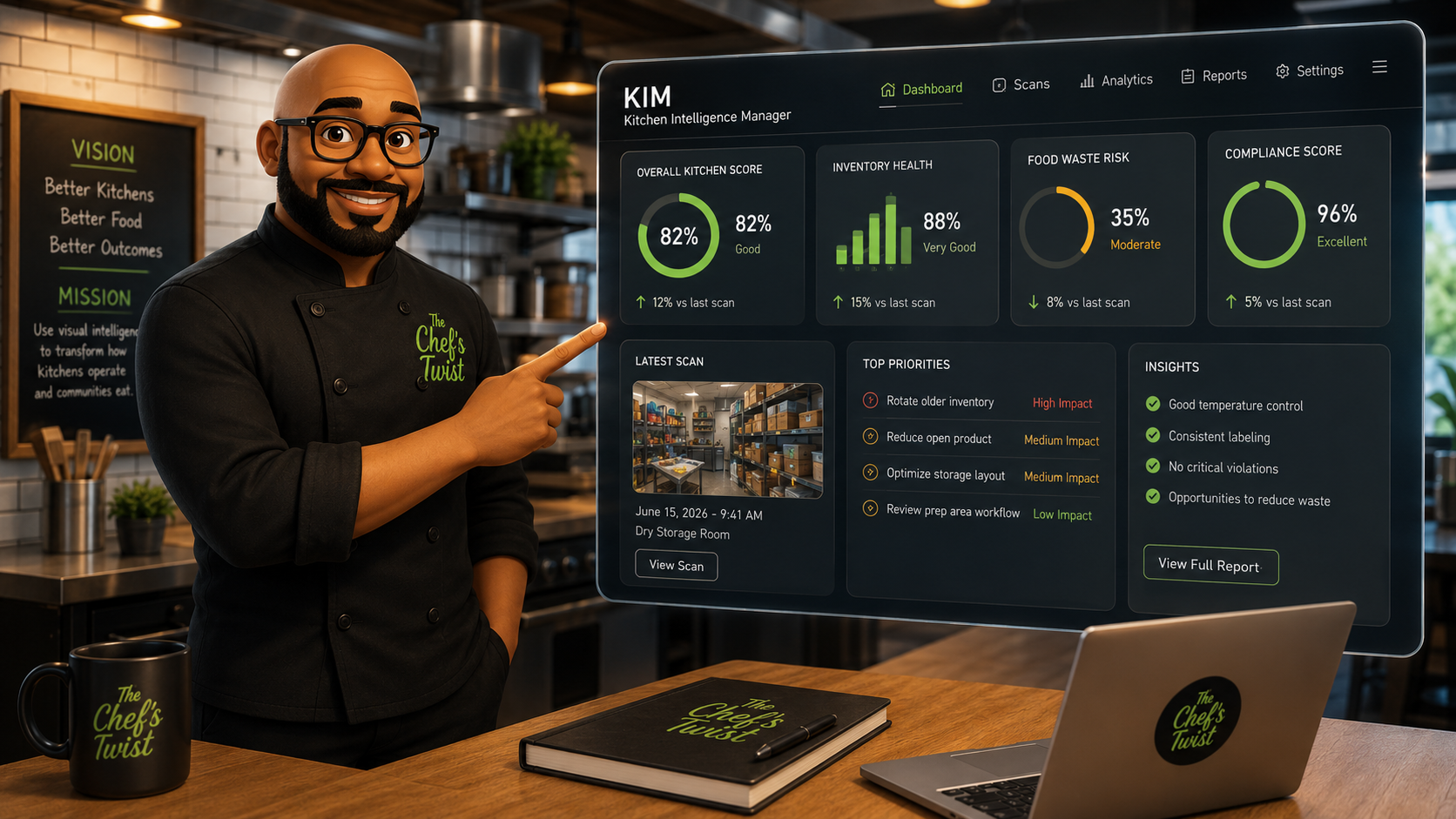
KIM helps kitchens see what they can't see themselves.
Kitchen Intelligence Manager is a visual diagnostic platform built by a chef. It analyzes what is visible in food environments and turns observations into actionable insight.
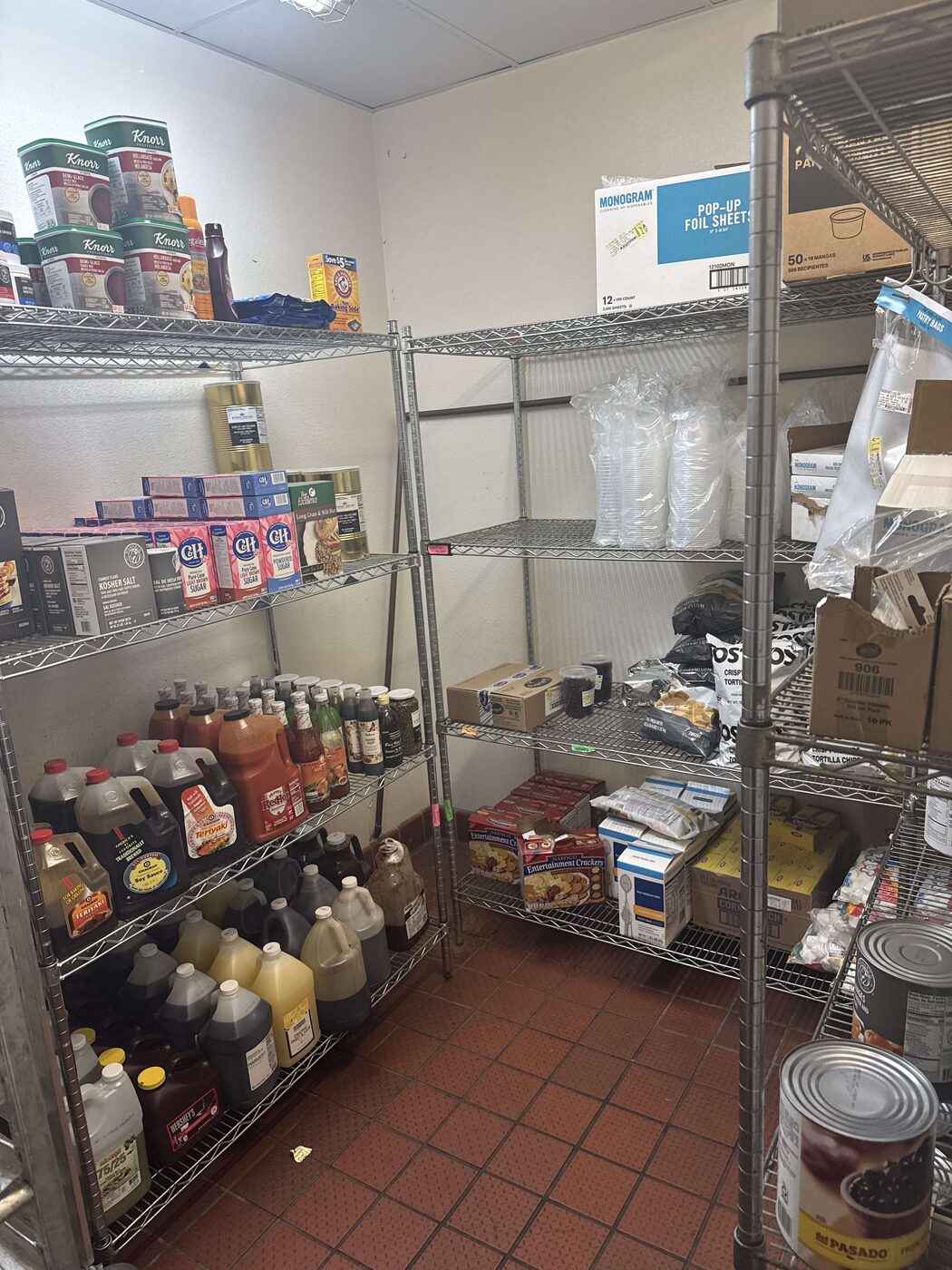
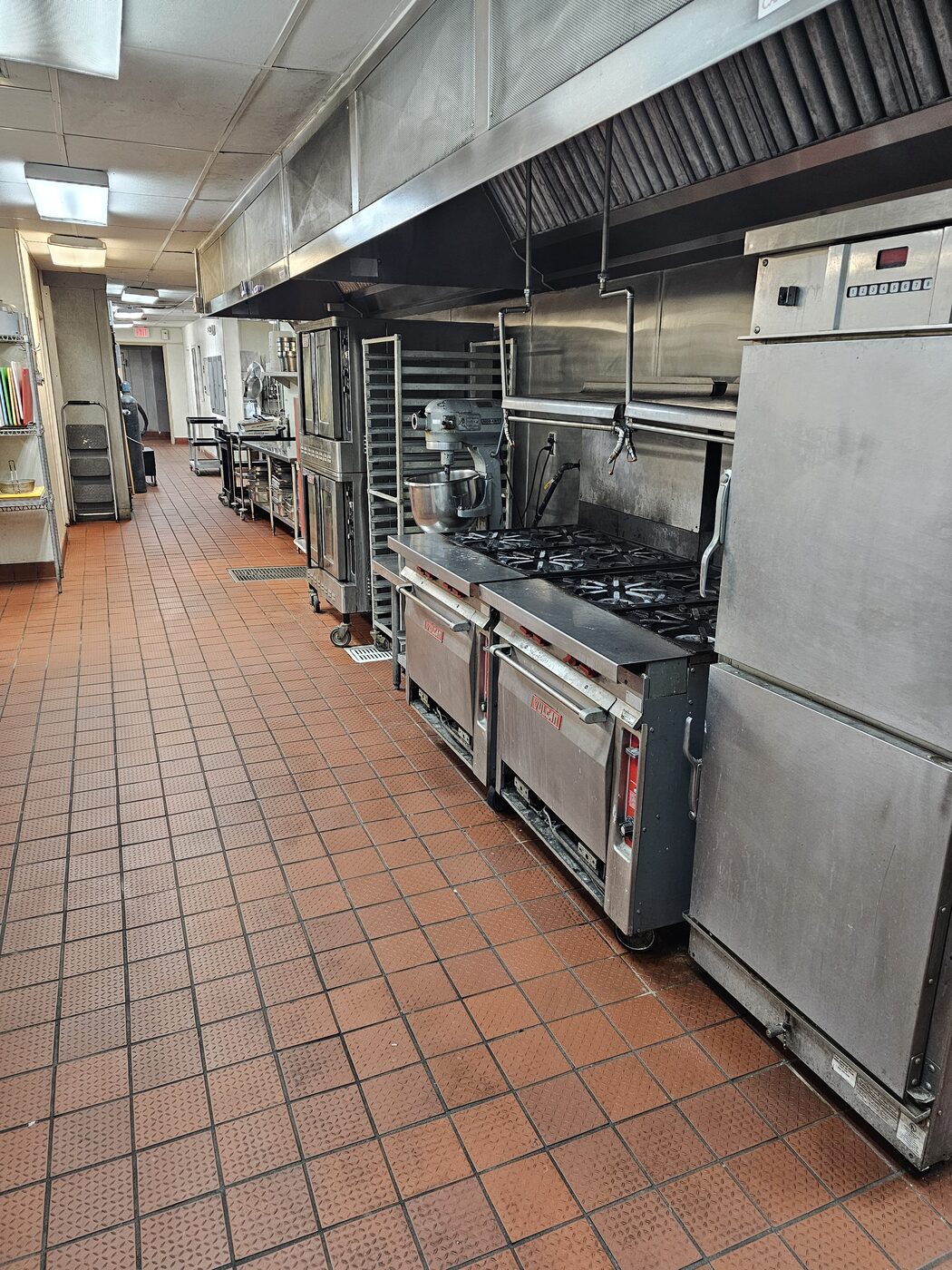
A clearer picture of what's already there — without a visit, without a consultant, without disrupting your operation. One photo of a dry storage room, and this is what came back.
No PAR system in sight means ordering by feel instead of data. Kitchens without one typically run 15–25% higher food cost — not from bad product, but from buying what you already have and missing what you don't.
When storage is organized by habit instead of logic, items get buried. What gets buried gets wasted — or worse, it stays and expires in place.
Delivery cardboard used as permanent storage means rotation becomes guesswork, FIFO breaks down, and pests find harborage. If your health department walks in, that's a flag — even if nothing is actually expired.
These findings came from one photo. No visit. No setup. No guesswork.
Schools, healthcare, senior living, government facilities, and community feeding programs operate under a different set of pressures. KIM identifies workflow, storage, compliance, inventory, and operational opportunities at scale — calibrated for environments serving vulnerable populations where consistency isn't optional.
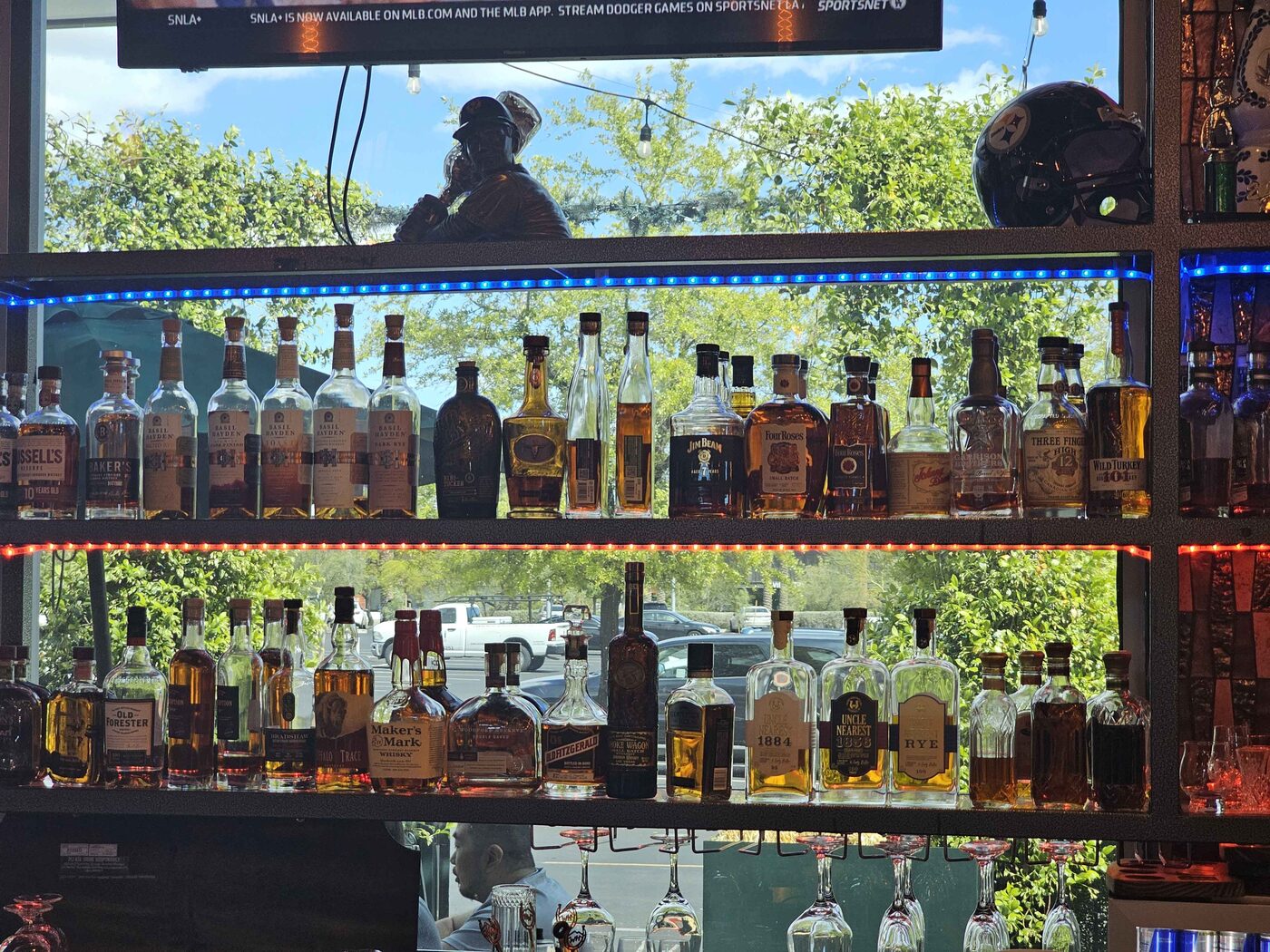
Shelf-to-sheet inventory, fill levels on every bottle, and reorder alerts before you run out mid-shift. One photo of a back bar — 53 bottles counted across 3 shelves, 5 brands confirmed with liquid levels.
Single bottle, no backup in frame — immediate reorder territory to reduce mid-shift stockout risk. Set a par of 2: when a bottle reaches 40%, a second goes to the bar from storage.
Those shelves against the windows look great, but direct sunlight degrades spirits — especially whiskey and Scotch. UV window film runs under $200 and protects a back bar worth thousands. Quick fix, big return.
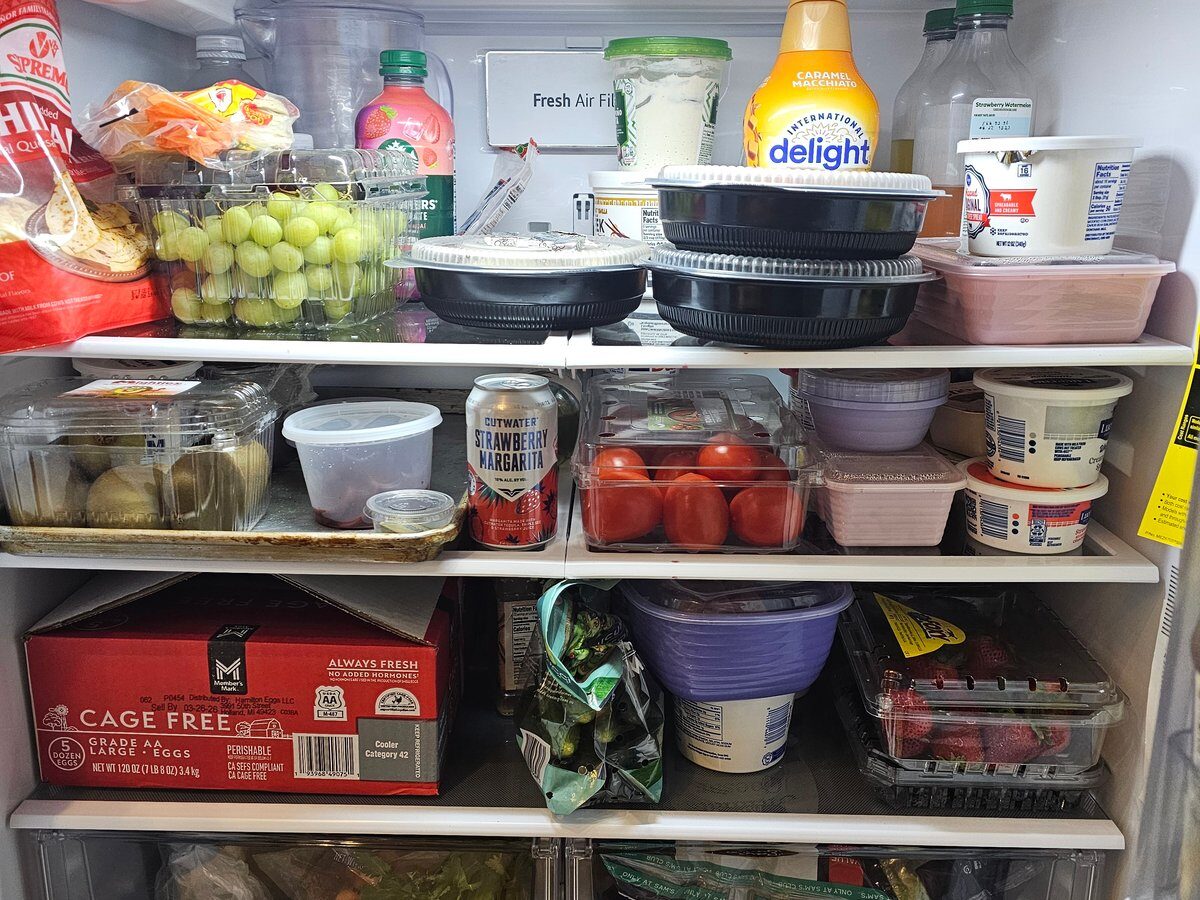
A real scan from a real home kitchen. One photo, no setup — just opened the fridge and snapped a picture. KIM works with what it can actually see.
Grapes, tomatoes, strawberries, and greens — all in clear containers. When you can see what you have, you actually use it before it goes bad. That alone saves money.
If any raw meats sit above ready-to-eat food, a single drip contaminates what's beneath it. This is the one food safety rule that applies in every kitchen — restaurant or home. Bottom shelf, always.
KIM doesn't hand you a random recipe list — it looks at what you have and builds meals you can make right now. No grocery run. No wasted food. That's the point.
Snap one area of your kitchen with your phone. No app, no equipment.
KIM reads what's actually visible and sends back a clear, honest breakdown.
Act on the findings worth fixing first — most cost little or nothing.
Photograph it again and watch what changed. Progress you can see.
For home users who want meal ideas, organization, and less waste from what is already in the kitchen.
For food-only or bar-only operators. Includes 2 scans per week.
For food and bar operations needing broader visibility across storage, inventory, compliance, cost, and workflow.
For larger commercial operations, multi-area reviews, or more complex foodservice environments.
For healthcare, senior living, schools, government facilities, community feeding programs, and multi-site operators.
KIM was built by a chef — not a software company — after 20+ years in commercial and institutional kitchens. Every kitchen runs on what people can see, and no two people see the same room the same way. KIM is the visual layer foodservice never had: one photo, one honest read, every time.